

By Stephen Ighofose
At 52, David, a very good friend of mine, considered himself healthy and energetic. He went about his daily activities, attended social functions, worked long hours, and rarely visited a hospital. He saw regular medical check-ups as unnecessary because he felt perfectly fine.
For years, he had ignored occasional headaches and bouts of dizziness, dismissing them as ordinary stress and exhaustion. He had never considered checking his blood pressure.
One morning, while preparing for work, he suddenly experienced a severe headache, blurred vision, and weakness on one side of his body. Within minutes, he collapsed. His family rushed him to the hospital, where doctors discovered that his blood pressure was dangerously high and that he had suffered a stroke.
What followed was a frightening battle for his life. Fortunately, prompt medical intervention saved him, although his recovery would require considerable time and rehabilitation.
When he eventually learnt more about his condition, one question continued to trouble him: How long had he been living with dangerously high blood pressure without knowing it?
His experience was a painful reminder that feeling healthy does not necessarily mean being healthy. A simple, routine blood pressure check might have helped detect the condition much earlier and prevented a potentially life-threatening emergency.
David’s story carries a message for everyone: Do not wait for your body to sound an alarm before paying attention to your health. High blood pressure is called the Silent Killer for a reason. Check your numbers before it is too late.
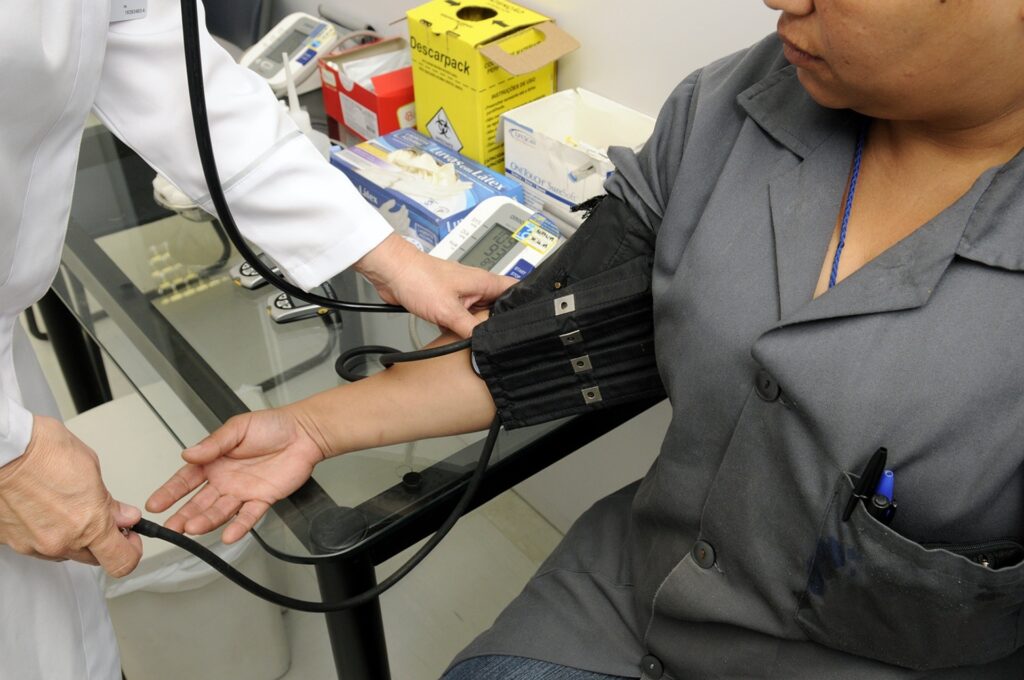
Take your BLOOD PRESSURE checks seriously; it may just be the difference between life and death!
High blood pressure may be silent, but its consequences can be devastating. Take your blood pressure checks seriously; it could just be the difference between life and death!
High blood pressure, medically known as hypertension, is often called the Silent Killer because it can exist for years without noticeable symptoms. However, if left untreated, it can damage the heart, brain, kidneys, and blood vessels, increasing the risk of heart attacks, strokes, and premature death. (Source: World Health Organization – WHO).
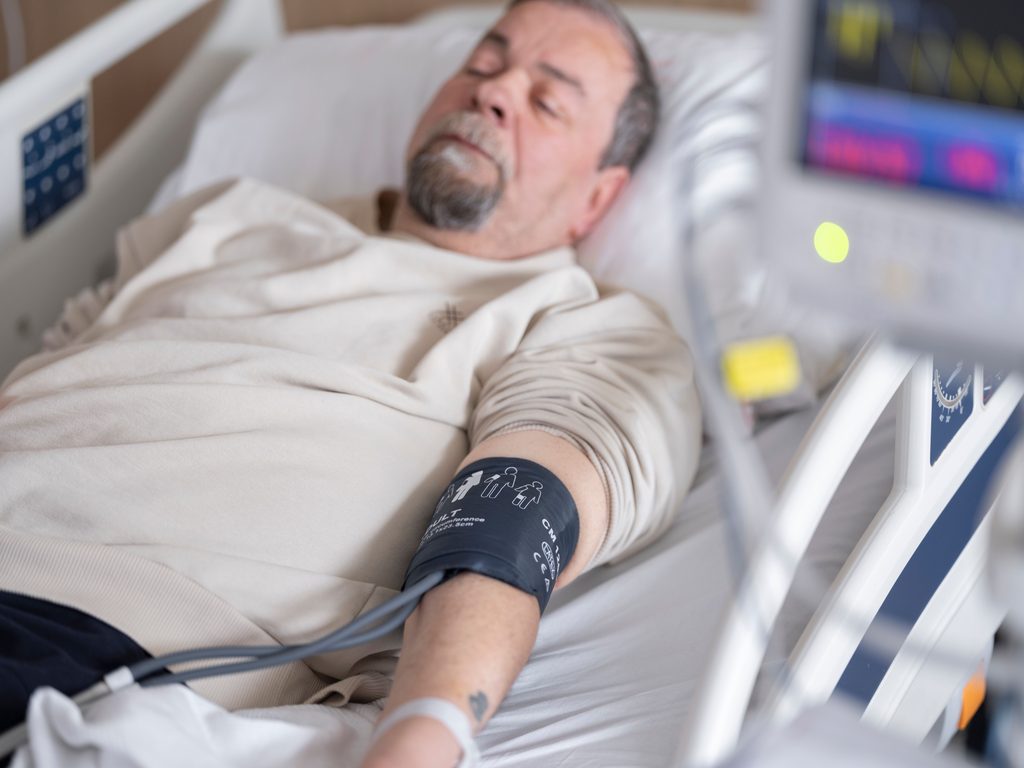
What Is High Blood Pressure?
Blood pressure is the force exerted by circulating blood against artery walls. It is measured in millimetres of mercury (mmHg) and expressed in two figures: systolic (upper reading) and diastolic (lower reading).
According to the American Heart Association (AHA), normal adult blood pressure is below 120/80 mmHg. Stage 1 hypertension is 130–139 systolic or 80–89 diastolic, while Stage 2 is 140/90 mmHg or higher.
A single elevated reading does not necessarily confirm hypertension. Repeated measurements on separate occasions are generally required for diagnosis. (Source: AHA, 2025 Hypertension Guidelines).
Causes and Risk Factors
Although the exact cause of primary hypertension is often unknown, several factors increase the risk, including ageing, family history, obesity, excessive salt consumption, physical inactivity, smoking, excessive alcohol consumption, diabetes and kidney disease.
Secondary hypertension may result from underlying medical conditions, particularly kidney and hormonal disorders. (Source: WHO and Centers for Disease Control and Prevention – CDC).
Symptoms and Health Risks
Hypertension often presents no obvious symptoms, making regular monitoring essential. Untreated high blood pressure can lead to heart disease, stroke, heart failure, and kidney damage. (Source: WHO).
Prevention and Management
Fortunately, hypertension can be controlled through appropriate medication and lifestyle adjustments. Preventive measures include:
- Regular blood pressure checks.
- Maintaining a healthy weight.
- Reducing salt consumption.
- Eating a balanced diet.
- Exercising regularly.
- Avoiding tobacco and limiting alcohol.
- Managing stress and maintaining adequate sleep.
- Following prescribed medical treatment.
(Source: WHO and American Heart Association).
Conclusion: Prevention Is Better Than Cure!
Hypertension is a major global health concern, but early detection and proper management can significantly reduce its complications.
Don’t wait for symptoms before checking your blood pressure. Make regular health checks a priority, know your numbers, and take responsibility for your cardiovascular health.
Remember: High blood pressure may be silent, but its consequences can be devastating. Take your blood pressure checks seriously; it could just be the difference between life and death!
Disclaimer: This article is for general health education and does not replace professional medical advice.
© United Graphics Co. | Health & Lifestyle | By Stephen Ighofose