
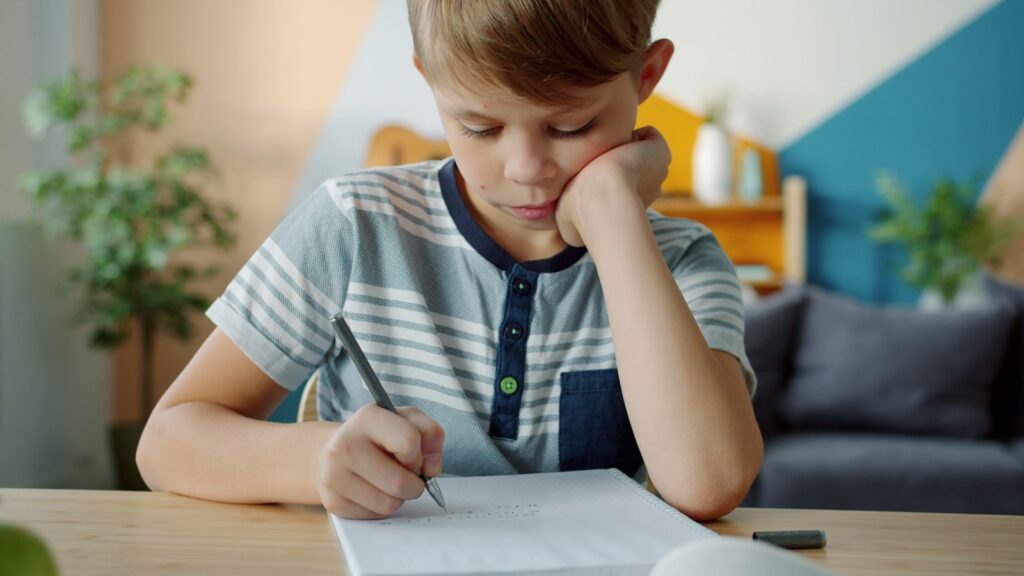
Teachers do remarkable work, but research is clear that what happens at home has a major impact on how children do in school. The good news is that you don’t need to be an expert in algebra or chemistry to help. Here are practical ways to support your child.
Create a routine
Kids thrive on predictability. A consistent time and quiet place for homework, along with regular bedtimes, makes it easier to focus and learn.
Read together every day
Reading is the foundation for every other subject. For younger children, read aloud and talk about the story. For older kids, let them choose books that interest them and talk about what they’re reading.
Stay in touch with teachers
Attend parent-teacher conferences, read school emails and don’t hesitate to reach out if you notice your child struggling. Teachers appreciate engaged parents and can suggest specific ways to help.
Praise effort, not just results
Telling a child “you worked really hard on that” instead of “you’re so smart” encourages them to keep trying when things get difficult. This growth mindset helps kids handle challenges and setbacks.
Set healthy limits on screens
Phones and games can crowd out sleep, reading and homework. Agree on screen-free times, such as during homework and the hour before bed.
Watch for signs of stress
Changes in sleep, appetite, mood or grades can signal that a child is struggling academically or socially. Talk openly, listen without judgment, and involve the school counselor if needed.
Make learning part of life
Cooking teaches fractions, grocery shopping teaches budgeting, and museum or library visits spark curiosity. Showing that learning happens everywhere helps children see school as worthwhile.