
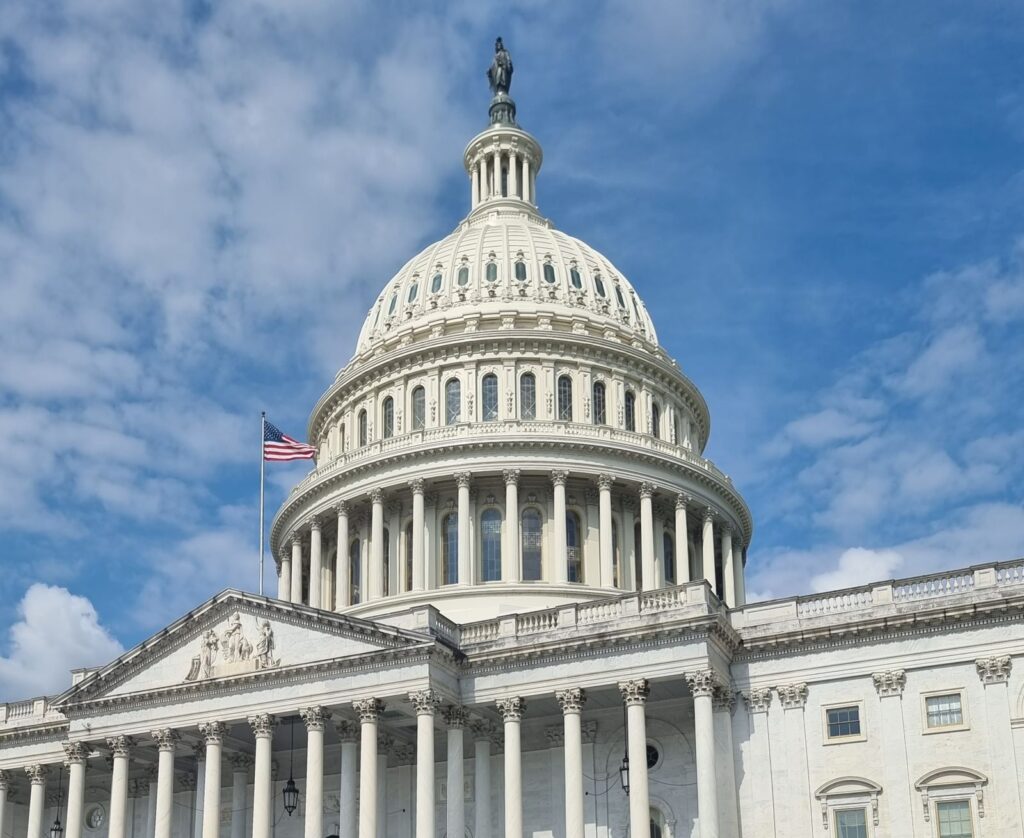
Democrats won control of both the U.S. House of Representatives and the U.S. Senate in the November 3, 2026 midterm elections, according to projections from major news networks including CBS News, NBC News and CNN. The result sets up divided government for the final two years of President Donald Trump’s second term.
What happened in the Senate
Republicans went into Election Day holding a 53–47 Senate majority. Democrats flipped at least seven Republican-held seats, in Kansas, Iowa, Texas, Ohio, Maine, North Carolina and South Carolina, while holding on to competitive seats in Georgia and Michigan. Kansas had not elected a Democratic senator in nearly a century.
A few races were still being counted later in the week. In Mississippi, Republican Sen. Cindy Hyde-Smith and her Democratic challenger, Colom, were separated by roughly 2,000 votes as of Thursday, with both campaigns saying they expected to win.
What happened in the House
Democrats also won a House majority, with networks projecting the party’s largest margin in nearly two decades once all races are called. House Minority Leader Hakeem Jeffries of New York won re-election and is now in line to become Speaker of the House, which would make him the first Black Speaker.
Why voters say they turned out
Cost of living dominated voter concerns. In CBS News exit polling, 89% of voters said the cost of living was a major or crucial factor in their decision. Immigration enforcement and the U.S. conflict with Iran were also leading issues, according to the Associated Press.
How each side is responding
Senate Democratic leader Chuck Schumer, likely the next Senate majority leader, celebrated the win on election night, and several Democrats signaled plans to open investigations into administration officials. On the Republican side, Vice President JD Vance pointed to the Iran war as a factor in the party’s losses, and House Majority Leader Steve Scalise told Republicans to prepare for Democratic-led investigations. President Trump called for a Justice Department probe of Democratic leaders, making claims about threats to Republican donors without providing evidence.
What comes next
The new Congress takes office in January 2027. Democrats will control committee chairmanships and the legislative agenda in both chambers, but they will remain well short of the two-thirds majorities needed to override a presidential veto, meaning most major legislation will still require negotiation with the White House.
Results in some races are still being finalized. This story will be updated as official results are certified.